
Multi-Account Instagram Ops for Agencies and In-House Teams
Run multiple Instagram accounts without chaos: access, SOPs, SLAs, automation guardrails, reporting, and tooling for agencies and brand teams.
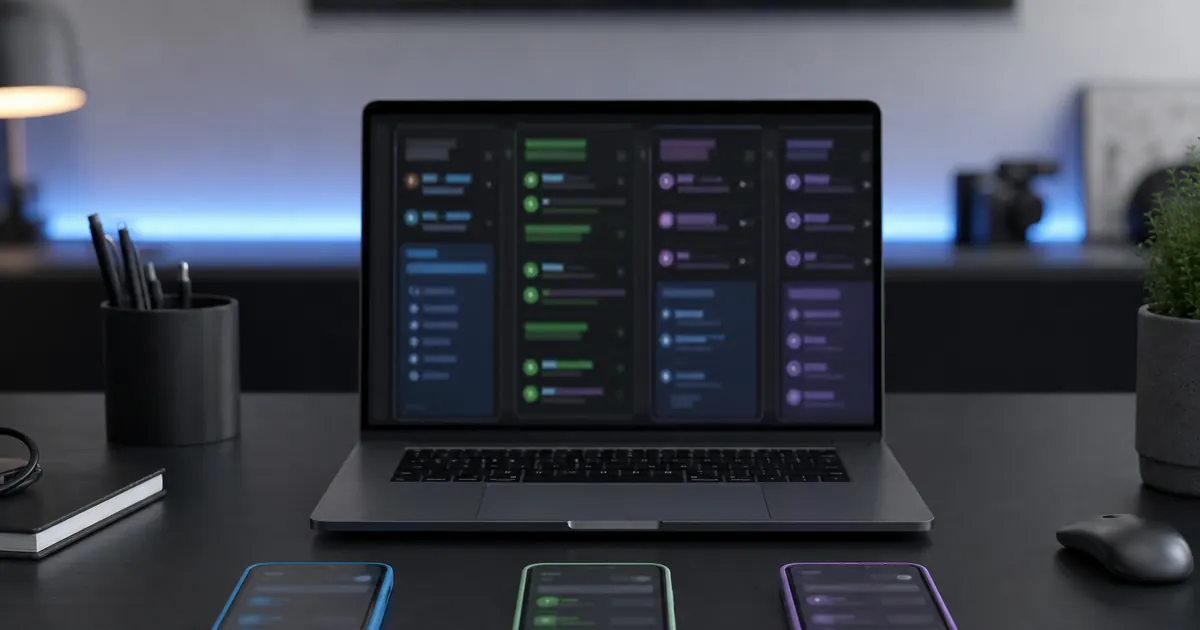
Managing one Instagram account is content and community. Managing ten is operations: access control, SOPs, SLAs, brand separation, automation guardrails, and reporting that clients or executives trust.
This guide is for agencies and in-house social ops teams. Pair it with shared inbox fundamentals and DM etiquette.
The real failure modes of multi-account work
- Shared personal logins and password ping-pong
- Wrong-account posting (the nightmare screenshot)
- Inconsistent response times across clients
- Automation copy leaking from Brand A into Brand B
- No audit trail when something goes wrong
- Hero employees who “just know” undocumented processes
If any of those feel familiar, you need systems more than another freelancer.
Access and identity hygiene
Principles:
- Prefer role-based access over shared credentials where Meta tooling allows
- Maintain an access register: who, which accounts, why, review date
- Offboard same day when staff or freelancers leave
- Separate creative asset libraries per brand
- Require 2FA on all critical logins
Security is part of client trust, not IT theater.
SOP stack every account should inherit
Create a master playbook with account-level overrides:
- Voice card and banned claims
- Posting calendar norms
- Crisis / escalation matrix
- Response SLA by intent type
- Automation rules allowed / forbidden
- Approval workflow
- Reporting template
New accounts should take hours to onboard, not weeks of tribal knowledge transfer.
SLAs that survive weekends
Define by severity:
- Urgent (outages, PR, safety): minutes
- Sales-intent DMs: within X business hours
- General FAQs: automated first reply + human within Y
- UGC permissions / collabs: within Z business days
Publish SLAs to clients. Measure them. Misses should trigger staffing changes, not surprise invoices.
Automation guardrails across accounts
Central rules:
- No account goes live with automation until voice QA passes
- Keyword lists reviewed monthly
- Quiet hours standardized unless client opts out
- Human escape hatches mandatory
- Cross-account template libraries with forced brand variables
Agencies that clone flows without rewriting voice create uncanny valley portfolios. Tools like Insta24 help keep rules and inboxes separated while giving operators one workplace.
Content production at portfolio scale
Use batching patterns:
- Stagger film days
- Shared editors with brand kits
- Hook libraries tagged by niche
- Launch calendars to prevent two clients dropping the same day with the same idea
Creative excellence still wins retainers; ops excellence keeps them.
Reporting without drowning the team
Standard monthly packet:
- Discovery and engagement quality KPIs (analytics guide)
- Funnel metrics (comments → DMs → leads)
- SLA adherence
- Wins / tests / next experiments
- Risks and dependencies
Automate data pulls where possible. Analysts should interpret, not copy-paste Insights screenshots for eight hours.
Client communication cadences
- Weekly: short async update
- Monthly: strategy call
- Quarterly: offer and positioning review
- Ad hoc: launches and incidents only
Over-meeting kills production capacity. Under-communicating kills trust.
In-house multi-brand nuances
Conglomerates and multi-brand retailers face similar issues with extra politics. Clarify:
- Which brand owns a trending topic
- Shared creator contracts
- Crisis spokespeople
- Cross-promotion rules
Write it down before the trending moment arrives.
Tooling checklist
You likely need:
- Shared inbox with assignments
- Scheduler
- Asset management
- Password / access management
- Reporting warehouse or at least consistent sheets
- Automation platform on official APIs
Avoid tool sprawl: each new app needs an owner and a sunset review.
Thirty-day multi-account cleanup
Week 1: access audit + offboard ghosts
Week 2: SOP templates + SLA definitions
Week 3: automation QA across accounts
Week 4: reporting standardization + retrospective
Incident response when something goes wrong
Multi-account portfolios will eventually face a wrong post, a heated comment thread, or an automation misfire. Pre-write a lightweight incident playbook:
- Contain — pause scheduling and automation on the affected account if needed.
- Align — one spokesperson per incident; no freelance improvisation in public.
- Correct — delete or edit when appropriate; publish a clear follow-up if customers were misled.
- Notify — inform the client/stakeholder with facts, impact, and next steps within the SLA.
- Learn — add a checklist item so the same class of error is harder next month.
Store incident notes centrally. Patterns (same freelancer, same time of day, same missing approval) are operational gold.
Capacity planning and retainers
Guessing hours destroys margins. Build capacity models from:
- Planned posts per week × production minutes
- Expected DM/comment volume × handling time
- Launch weeks with surge buffers
- Reporting and meeting load
When a client wants more output without more budget, show the model. Either scope shrinks, automation coverage grows, or fees change. Healthy agencies sell outcomes and capacity honesty — not heroic overtime that burns talent.