
Trial Reels and Hook Testing: Learn What Travels Before You Publish
Use Instagram Trial Reels to A/B test hooks with non-followers, promote winners to your grid, and build a repeatable creative learning loop.
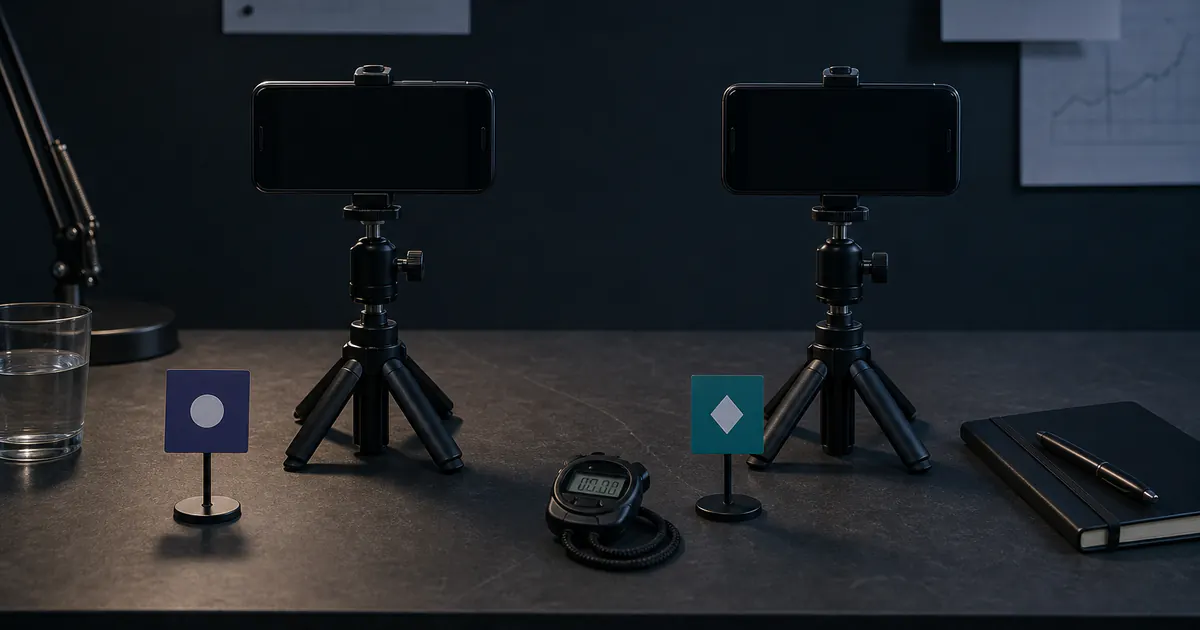
Most Reels fail in the first three seconds — yet teams still burn grid real estate on untested openings. Trial Reels (where available on your account) let you show creative to non-followers first, learn what retains, then promote winners publicly. That is how professional content teams replace superstition with a learning loop.
This guide covers when to use trials, what to test, how to judge results, and how to fold winners into your broader system. Read it with Reels strategy 2026 and analytics KPIs.
What Trial Reels are for
Use trials to evaluate creative with people who do not follow you yet — closer to true discovery conditions than posting only to fans who already like you.
Ideal tests:
- Hooks and first frames
- Thumbnail / opening text
- Pacing variants of the same teaching point
- CTA phrasing differences
Poor uses:
- Fully different topics with no shared hypothesis
- Brand-sensitive announcements that need grid permanence immediately
- Legal/compliance content that must be exact on first publish
If Trial Reels are not on your account yet, you can still approximate with limited boosts or private draft reviews — but native trials are cleaner when present.
Form a hypothesis before you film
Write one line:
“If we open with X instead of Y, non-followers will watch longer / share more because Z.”
Examples:
- Problem-agitate hook vs curiosity hook
- Result-first vs process-first
- Talking head vs screen demo cold open
- On-screen question vs bold claim
Without a hypothesis, you are decorating, not testing.
Keep variables honest
Change one primary variable per test pair when possible. If you rewrite the entire script, new music, new outfit, and new CTA, you will not know what worked.
Practical setup:
- Lock the middle teaching section
- Film two to three openings
- Keep captions aligned except the first line if caption is part of the test
- Run for a comparable window before judging
Document everything in your batching sheet (batching system).
Metrics that decide winners
Prioritize:
- Average watch time / completion among non-followers
- Shares and saves
- Profile visits from the trial
- Qualitative comment intent (if comments are enabled in your test setup)
Do not crown a winner on vanity likes alone. A flashy hook that collapses at second four is not a winner.
Set a minimum sample mindset: tiny view counts are noisy. Wait for enough delivery to see directional separation, or rerun.
Promote winners like operators
When a trial wins:
- Publish to the main grid (or promote per Meta’s flow)
- Align Stories to support the same CTA
- Ensure comment-to-DM assets are live (funnel playbook)
- Archive the losing hooks with notes — losers teach too
- Turn the winner into a carousel summary the next week
Learning compounds only if you write it down.
Build a hook library
Maintain a living library:
- Hook text
- Visual first frame description
- Niche / pillar
- Result summary
- Date tested
Editors and freelancers should start here instead of reinventing cold opens monthly. Agencies: separate libraries per client voice (multi-account ops).
Creative ethics in testing
- Do not bait with promises the body does not keep
- Avoid harmful stereotypes as “pattern interrupts”
- Keep claims truthful even in aggressive hooks
- Disclose partnerships the same as final posts when required
A winning hook that damages trust is a losing business move.
Cadence: how many tests per month
Sustainable for many brands:
- 4–8 deliberate hook tests monthly
- 2–4 promoted winners to grid
- One retrospective in the KPI meeting
More testing than production capacity creates unfinished messes. Match tests to your film block reality.
When tests disagree with taste
Founders often hate the hook that wins. Data vs taste conflicts are normal. Resolve with:
- Brand-safety veto (non-negotiable)
- Taste preferences on losers that still performed “well enough”
- Separate brand channels if experimental tone must live elsewhere
Document vetoes so creators are not guessing.
Connect testing to revenue
A hook that wins views but attracts the wrong audience will inflate reach and starve sales. Watch downstream:
- Keyword comment quality
- DM qualification rates
- Unfollows after publish
- “Wrong fit” sales calls
Optimize for qualified attention, not attention alone. Inbox tooling such as Insta24 helps you see whether winning creative creates workable conversations.
A two-week trial sprint
Week 1: Pick one pillar; write three hypotheses; film shared body + three hooks; launch trials.
Week 2: Crown a winner; publish; support with Stories; log library notes; brief next batch with insights.